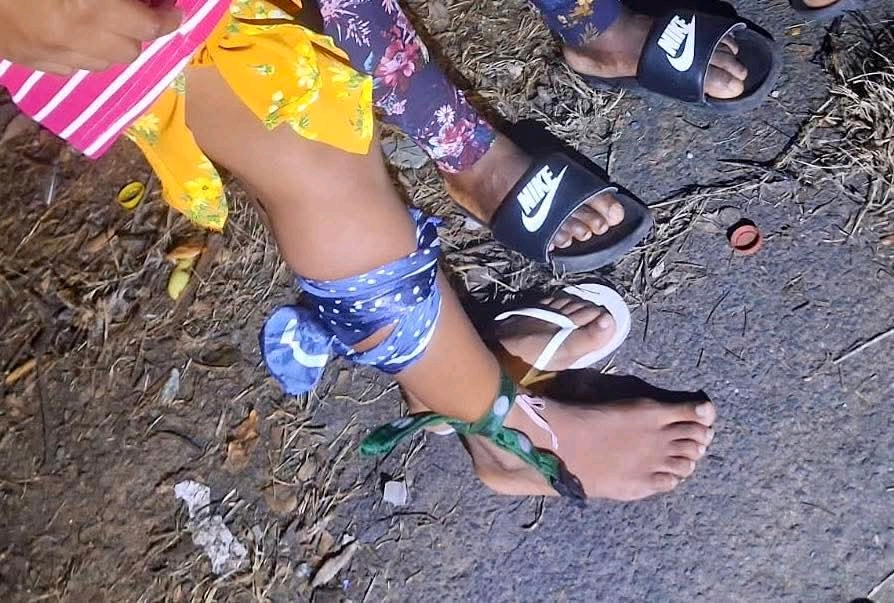
A 21-year-old woman from Coniston in KwaZulu-Natal experienced a frightening ordeal on Wednesday evening after she was bitten by a snake while making her way to an outdoor toilet. The incident has once again highlighted the risks faced by residents in areas where outdoor sanitation facilities are still in use, particularly at night.
According to reports, the incident occurred shortly after 20:00. Members of Reaction Unit South Africa (RUSA) were called to the scene at approximately 20:03 following a distress call for assistance. Reaction officers responded swiftly and arrived at the location where they found the young woman conscious and able to explain what had happened.
The victim reported that she had been walking toward an outside toilet when the incident took place. Due to the darkness and limited visibility, she did not notice the snake in her path. As she stepped forward, she unknowingly moved over the reptile, which then reacted defensively.
She described the snake as being black in colour but was unable to identify the exact species. In a sudden strike, the snake bit her on her right leg before quickly retreating into nearby bushes, disappearing from sight. The unexpected attack left the woman shaken and fearful, although she remained alert enough to recount the details to responders.
At the time of the assessment by reaction officers, the woman complained primarily of dizziness. Fortunately, she did not exhibit any immediate severe symptoms commonly associated with highly venomous snake bites, such as intense swelling, difficulty breathing, or loss of consciousness. However, due to the unpredictable nature of snake venom and the difficulty in identifying the species involved, medical attention was deemed necessary as a precaution.
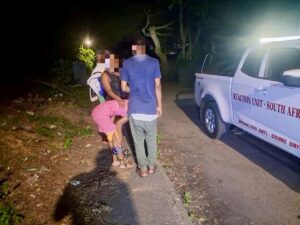
Given the circumstances, the decision was made for the woman to be transported to a nearby medical facility for further evaluation and treatment. She was taken to hospital via private transport, where healthcare professionals would be able to monitor her condition closely and administer appropriate care if symptoms worsened.
Incidents like this serve as a reminder of the potential dangers present in areas where wildlife and human activity intersect, especially in rural or semi-rural communities. Snakes are often more active during warmer evenings and may seek shelter or food near homes, increasing the likelihood of unexpected encounters.
Residents are encouraged to exercise caution when moving around outdoors at night, particularly in poorly lit areas. Using a flashlight, wearing protective footwear, and clearing pathways of overgrown vegetation can help reduce the risk of similar incidents.
Authorities have not reported any further sightings of the snake in the area, but community members are urged to remain vigilant and report any dangerous wildlife encounters to local emergency services.
The young woman’s condition following hospital treatment has not been disclosed, but early response and prompt medical attention may play a crucial role in ensuring her full recovery.



0 Comments